‹ Observations

Night of 12 October 2026

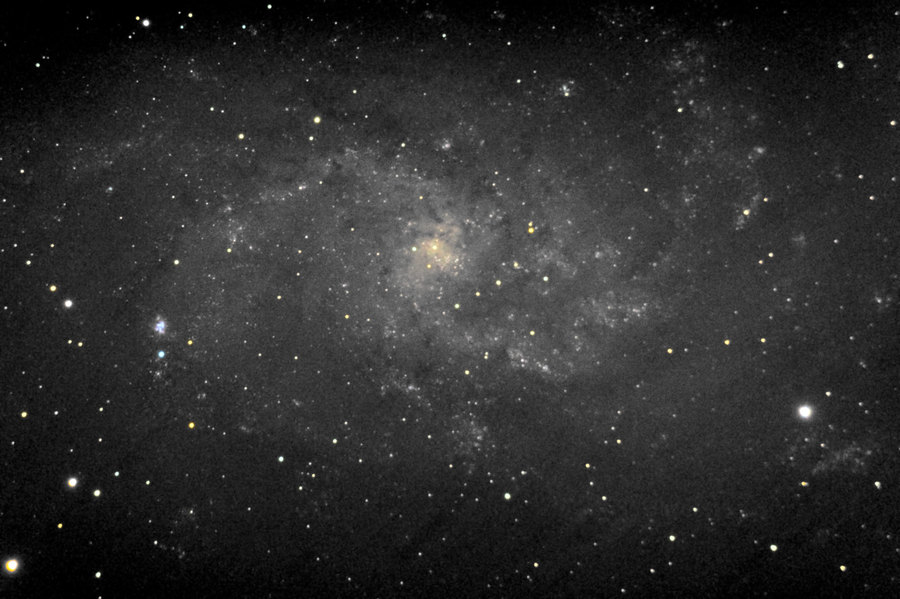
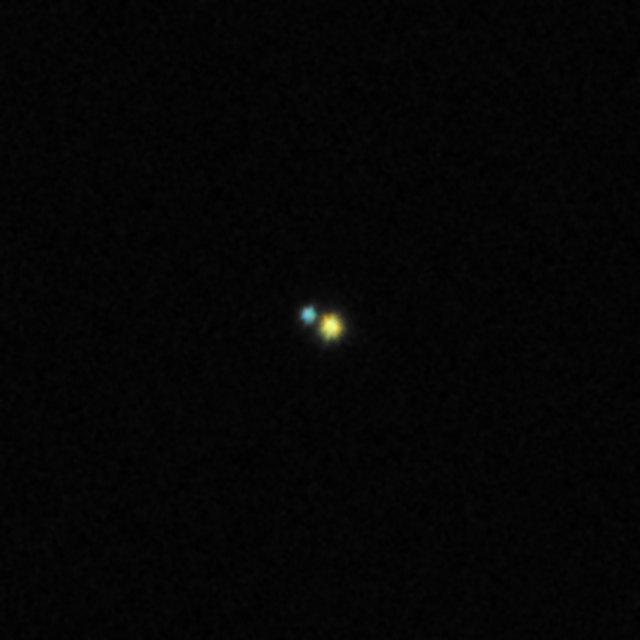
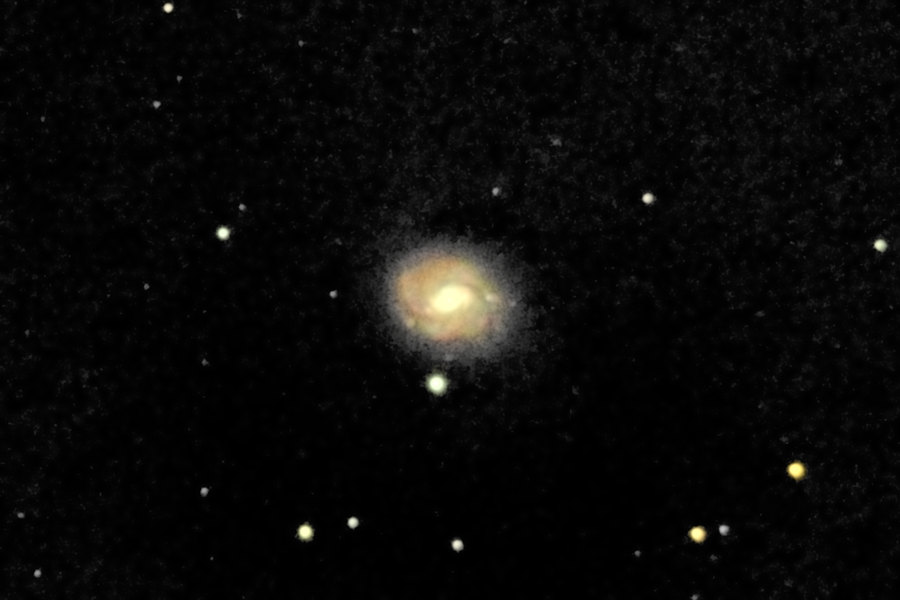
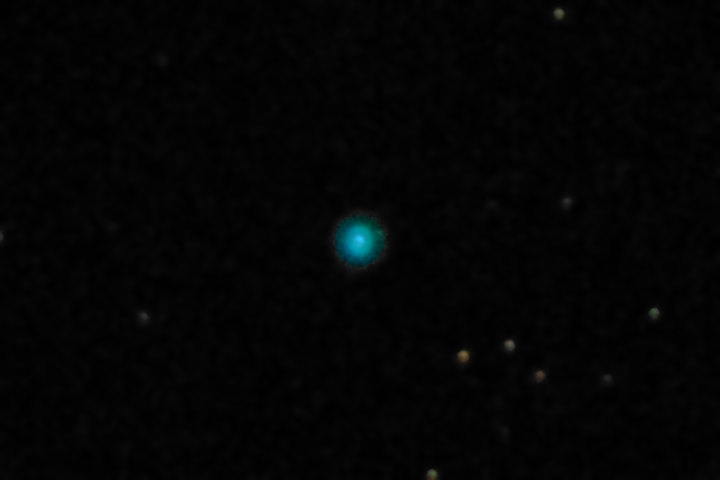
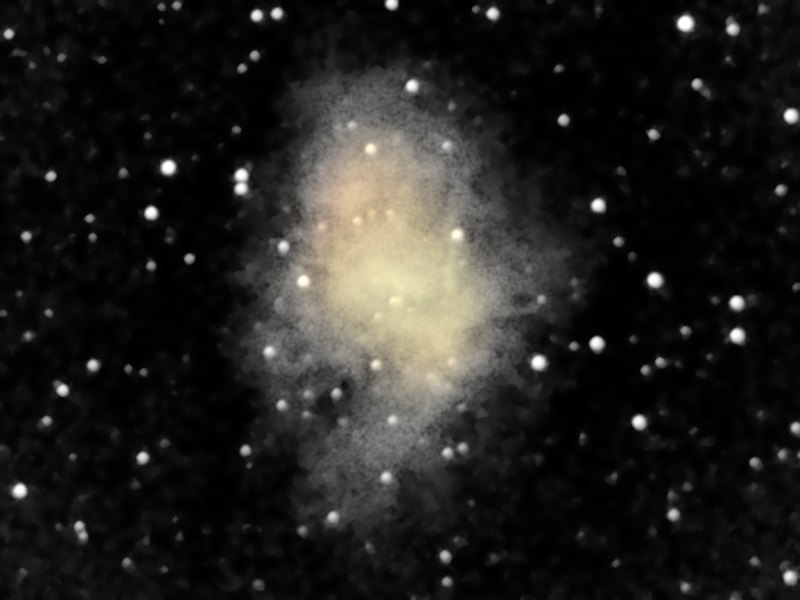
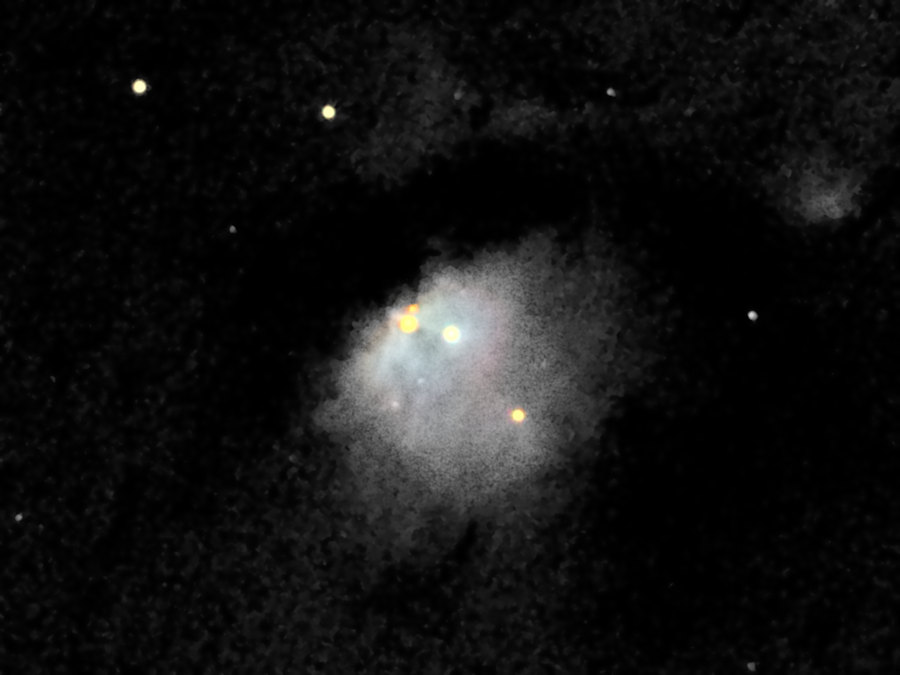
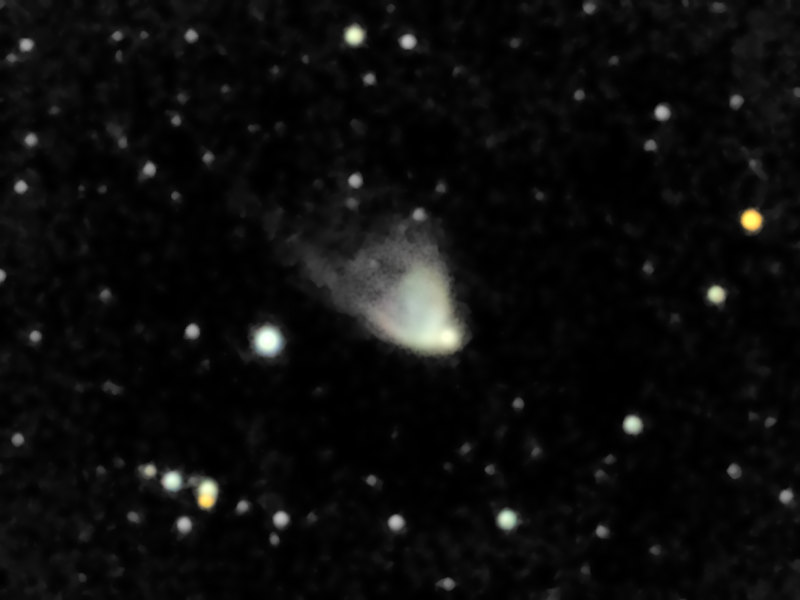
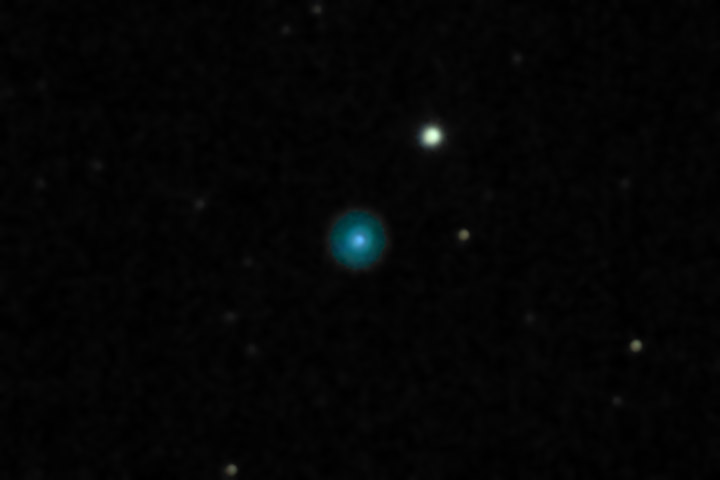
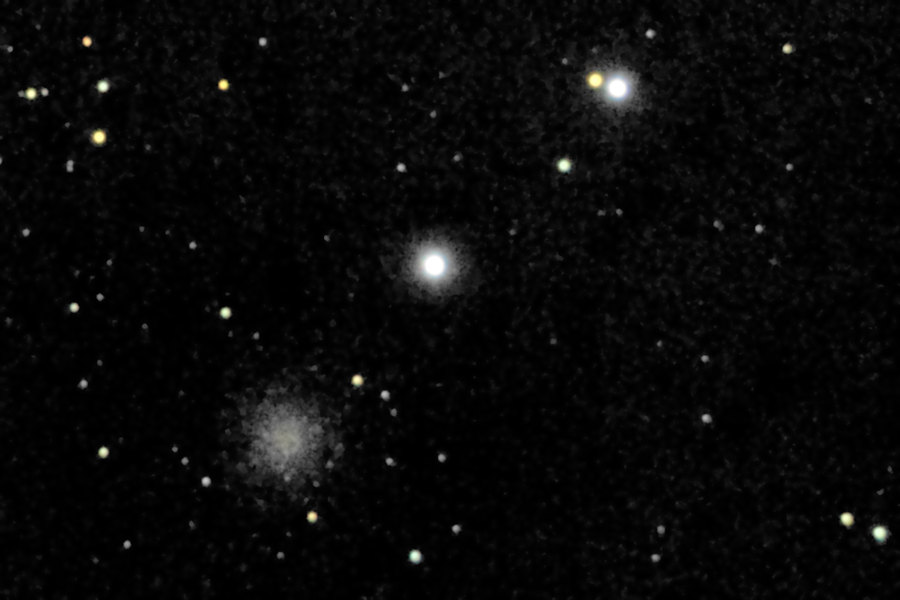
A night the telescope ran by itself, published as it went: ten pictures from a list of eleven, from the Triangulum Galaxy and a gold and blue double star to a globular cluster 300,000 light-years away.

Photography notes

I set this night up, picked a list with Claude, and went to bed. The telescope worked through the list on its own. A small AI agent watched over it with a written runbook, and each target's frames were stacked into a picture as soon as the telescope moved on to the next one.

This page went up before the first picture was finished, with the list of what was planned, and it was filled in through the night. A target that says it is being photographed was being photographed when the page was last published.

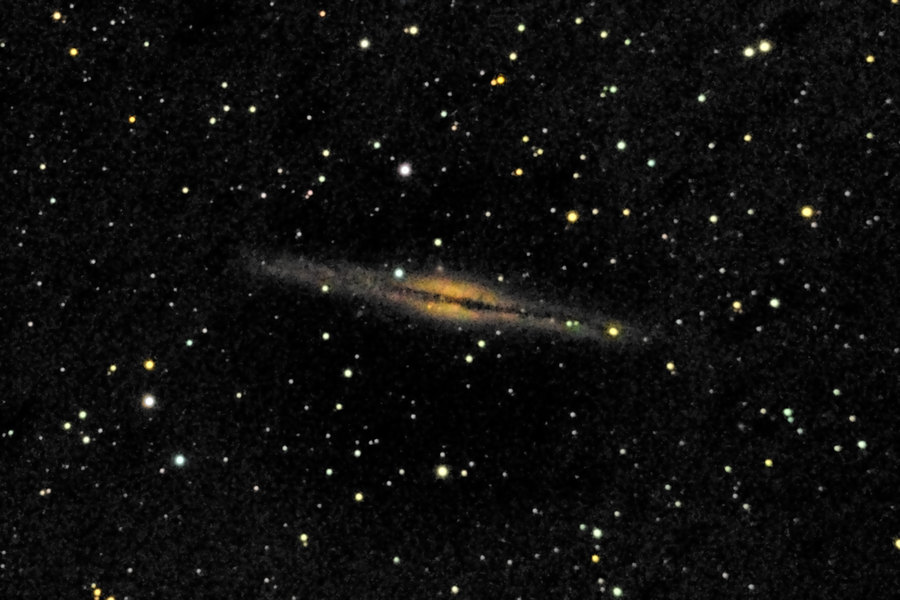
Ten of the eleven came home. Thin cloud arrived in the last hour and a half: it cost the last two pictures some of their frames, and the Cigar Galaxy, last on the list, could not be found through it at all. The telescope parked itself pointing north before dawn.

Earlier in the evening some frames came out with trailed stars. The tracking was letting go of the motors for a few seconds at a time, whenever the network between the telescope and the computer indoors got busy. That was found and fixed before the list started. The Triangulum Galaxy was photographed across the fix, and its page says how many frames it cost.

Pick a picture to see what it is, how far away it is, and how it was made.

Photography notes

The equipment for the whole night, what went wrong at the telescope and what we did about it, and the software. Each picture's exposures and processing are at the foot of its own page.

Location
San Francisco Bay Area. A driveway at home, with trees on most sides
Sky
Clear and calm until the last hour and a half, when thin cloud came through in patches
Telescope
Celestron 8SE Schmidt-Cassegrain. 203 mm aperture, about 2,085 mm focal length by plate solve, f/10.3
Camera
Sony a6000, stock, at prime focus. APS-C 23.5 x 15.6 mm, 6000 x 4000, 3.9 micron pixels, RAW
Field
38.8 x 25.9 arcmin in one frame, 0.388 arcsec per pixel
Mount
Sky-Watcher EQ6-R, set down without polar alignment. Aligned from four plate-solved photos and driven from that model, unguided
Computer
Raspberry Pi 3 running Observatory, in Elixir
Frames
15 second exposures at ISO 3200 for the galaxies and nebulae, 4 seconds for the two small planetary nebulae, a sixtieth of a second for the double star. 12 to 104 taken per object and 5 to 66 kept
Processing
Stacked from the RAW frames with numpy, OpenCV and rawpy. Plate solving by astrometry.net. Nothing generated

Each picture

Source

Observatory, the software that drove the mount, took the frames and published these pages, is open source: source on GitHub.

© 2026 Brad Gessler. The pictures and the words are his own; all rights reserved.